

Climate change, the defining crisis of our age, poses an immediate threat to the sustainable development of nations across the globe. The escalating impacts of climate change are not only environmental but also infringe upon social and developmental objectives. India ranks as the fifth most vulnerable nation among 181 countries, exposed to the devastating effects of climate change including floods, droughts, heatwaves, wildfires, and air pollution threatening to exacerbate food security, biodiversity loss, and triggering mass migration.
The effects of climate change are intricately linked with the Sustainable Development Goals (SDGs), particularly in nations like India, where these goals are a critical roadmap toward progress. Climate change, acting as a threat multiplier, stands as a formidable barrier to achieving these SDGs, making it not just an environmental challenge but a developmental crisis. Among the hardest hit are the marginalized and vulnerable communities that bear the disproportionate brunt of a crisis to which they have contributed the least. In the context of climate change and sustainable development, this signifies that environmental challenges and their solutions are deeply interwoven with other social and economic issues, thereby demanding an interconnected and interdependent approach to problem-solving.
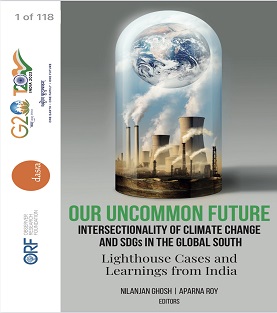
Dasra and Observer Research Foundation's (ORF) comprehensive report "Our Uncommon Future: Intersectionality of Climate Change and SDGs in the Global South' underscores the importance of an intersectional approach to climate action and presents detailed evidence on the interlinkages between critical SDGs (2, 3, 5, 11, and 15) and climate change.
Highlights of the Report
Dasra & ORF's Research on climate intersectionality reveals how the climate crisis is actively impeding the progress made across all SDGs in India:
(13) CLIMATE ACTION
(2) Zero Hunger: Shifts in soil quality, land degradation and reduction in biodiversity have Impacted. agricultural food production systems and can lead to decline in rice yields by 10-12% by 2050.
(15) Life on Land: According to a 2020 report by the Indian government, 62% of assessed species in India are threatened with extinction, with climate change identified as one of the major drivers of this trend.
(5) Gender Equality: Climate crisis exacerbates challenges around access to food and shelter, disrupts access to water and sanitation, and increases the risk of disease and malnutrition all of which leads to an in increased burden of care on women and girls. Almost 80% of the people displaced by climate change are women.
(11) Sustainable Cities and Communities: By 2035, India's urban population is estimated to be 675 million. According to a 2019 Study by the World Bank, 36 million people in India are at risk of coastal flooding.
(3) Good Health and Well-being: Access to clean air, safe drinking water, sufficient food, and secure shelter is being unmet. According to WHO, climate change is already causing an estimated 150,000 deaths annually, and this number is expected to rise, over this year.
The report highlights that given India's vulnerability to climate change and its considerable impact on the SDGs, there is an immediate need for stakeholders to converge and build consensus on the way forward. Governments, civil society organizations (CSOs), philanthropies, and communities all possess immense potential to drive inclusive and equitable climate action. CSOs, in particular, have proven their mettle in times of crisis demonstrating agility, resilience, and a deep connection with the communities they serve. These organizations, due to their on-ground presence and contextual understanding, are key allies in mainstreaming climate action, engaging in advocacy, and bridging the policy-implementation gap.
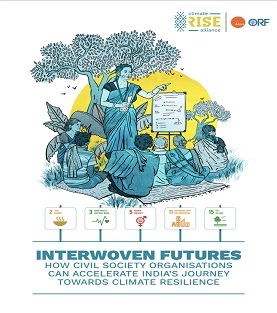
This compendium serves as an addendum to Dasra and ORF's comprehensive climate report and spotlights civil society organizations championing intersectional climate action at the grassroots. For each of the critical SDGs identified in the detailed report, the compendium summarizes the evidence and pathways of the climate interlinkages with respect to their impacts on the most underserved communities and further discusses the role CSOs play in driving change at the intersections of climate and these development goals. Through these case studies, the compendium advocates for scaling similar innovative climate solutions through a collaborative and multi-stakeholder approach, while concluding with actionable insights for governments, CSOs, and philanthropy.
 Case Studies
Environment, Biodiversity, Conservation, and Climate
 Research Reports
Environment, Biodiversity, Conservation, and Climate
 Research Reports
Environment, Biodiversity, Conservation, and Climate, Gender Empowerment
 Research Reports
Child Protection and Youth Development, Environment, Biodiversity, Conservation, and Climate



Explore 25+ years of Dasra's research and knowledge products, covering underserved sectors, philanthropy trends, and civil society action across India.