

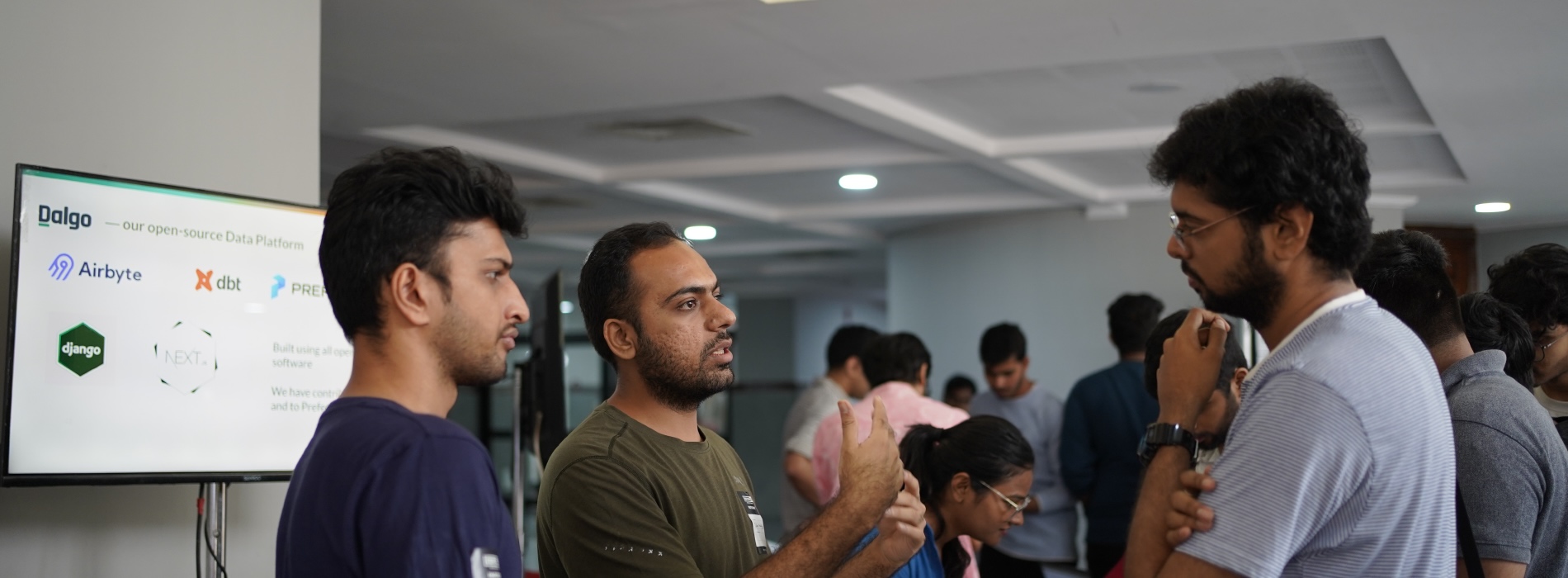
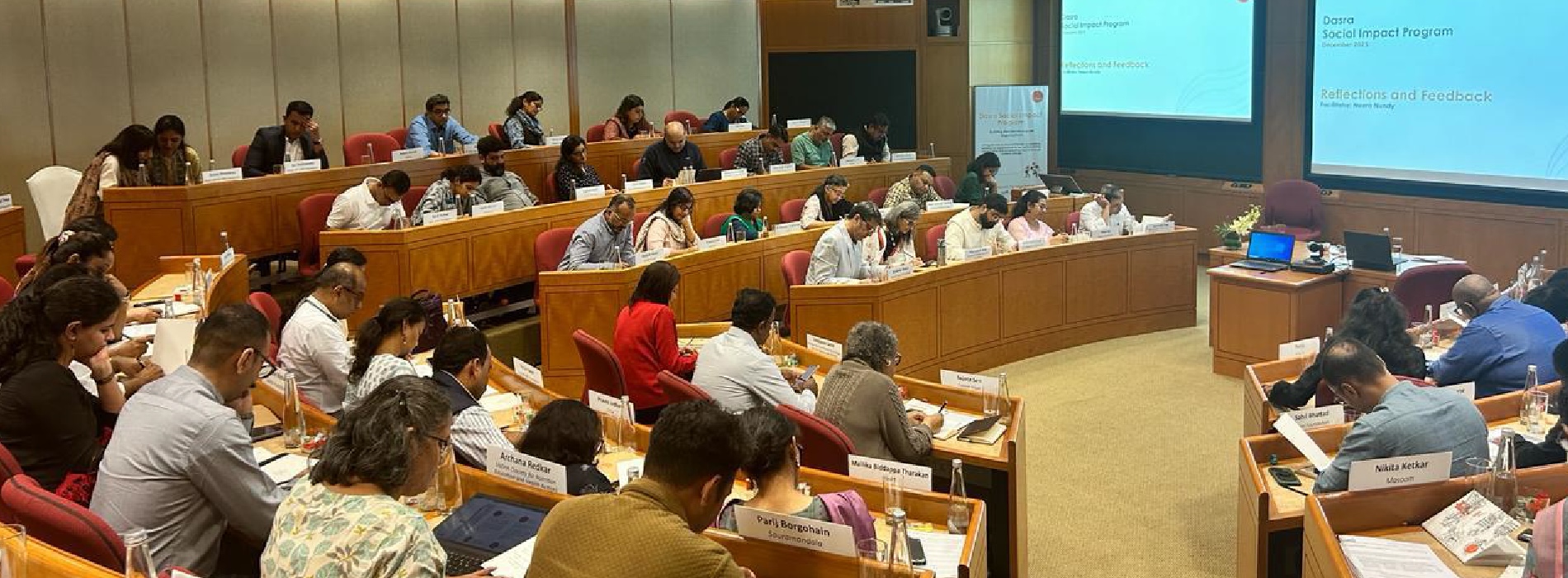
Our strategic pillars have shaped our program initiatives. These programs facilitate and fuel collaborative action across key SDG areas vital for GEDI (Gender, Equity, Diversity, Inclusion).
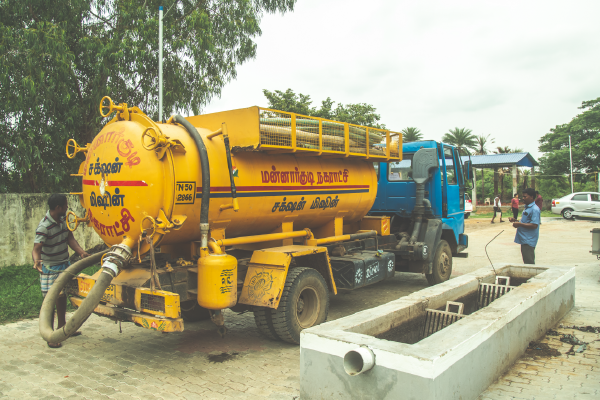
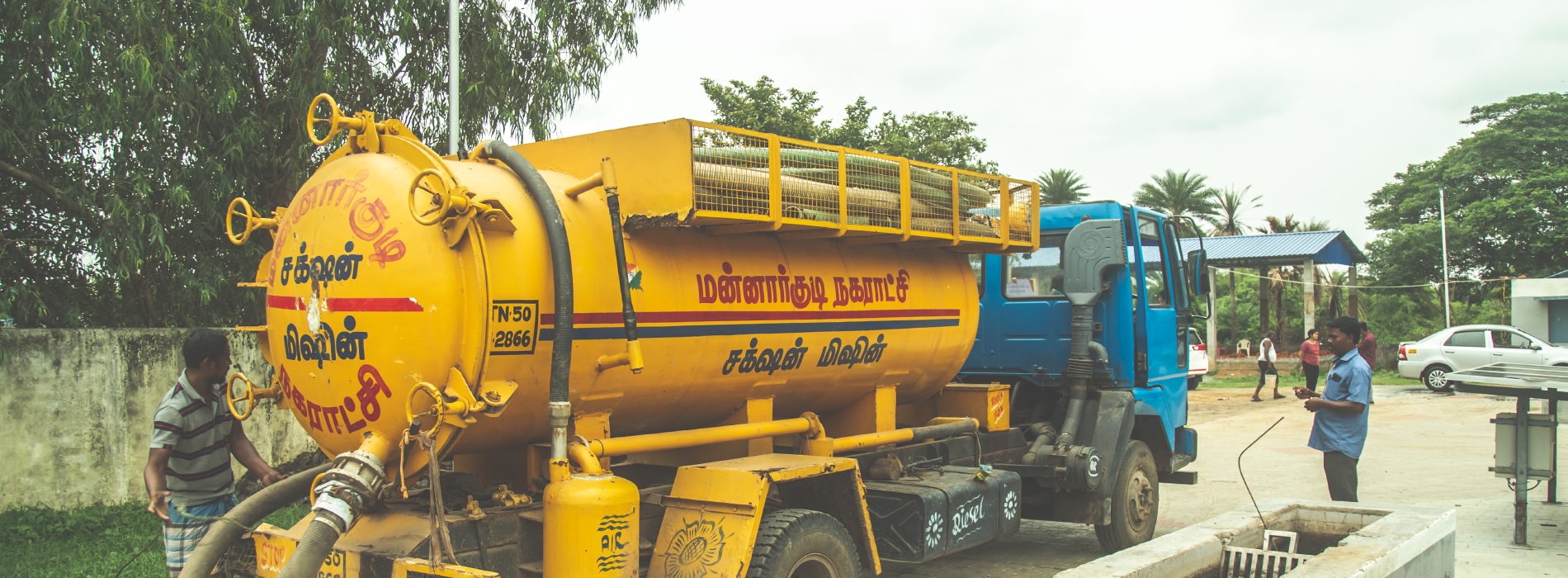
Globally, poor sanitation results in a staggering $260 billion annual economic loss, impacting health, education, and the environment. In India, urbanization is accelerating, with urban slum populations tripling. Managing human waste safely has become a monumental challenge, leading to child deaths, school dropouts, and sanitation-related violence. With 70% of urban sewage untreated, water contamination poses a severe health risk, causing thousands of deaths annually.
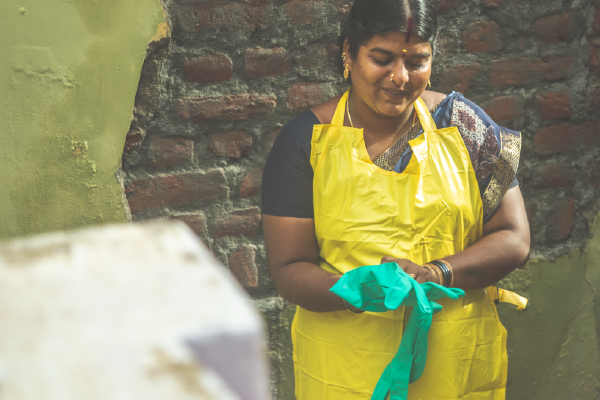
Dasra's Urban Sanitation team is dedicated to achieving inclusive, equitable, and sustainable human waste management. Through collaboration and cross-learning, they address persistent urban sanitation challenges in India and South Asia. By anchoring the National Faecal Sludge and Septage Management (NFSSM) Alliance in India, Dasra unites diverse stakeholders to enable safe and inclusive sanitation for all. Their network spans India, Nepal, and Bangladesh, fostering a South-to-South narrative for inclusive sanitation through cross-learning and knowledge exchange.

Globally, poor sanitation results in a staggering $260 billion annual economic loss, impacting health, education, and the environment. In India, urbanization is accelerating, with urban slum populations tripling. Managing human waste safely has become a monumental challenge, leading to child deaths, school dropouts, and sanitation-related violence. With 70% of urban sewage untreated, water contamination poses a severe health risk, causing thousands of deaths annually.
Dasra's Urban Sanitation team is dedicated to achieving inclusive, equitable, and sustainable human waste management. Through collaboration and cross-learning, they address persistent urban sanitation challenges in India and South Asia. By anchoring the National Faecal Sludge and Septage Management (NFSSM) Alliance in India, Dasra unites diverse stakeholders to enable safe and inclusive sanitation for all. Their network spans India, Nepal, and Bangladesh, fostering a South-to-South narrative for inclusive sanitation through cross-learning and knowledge exchange.











Team Explore
Resources