

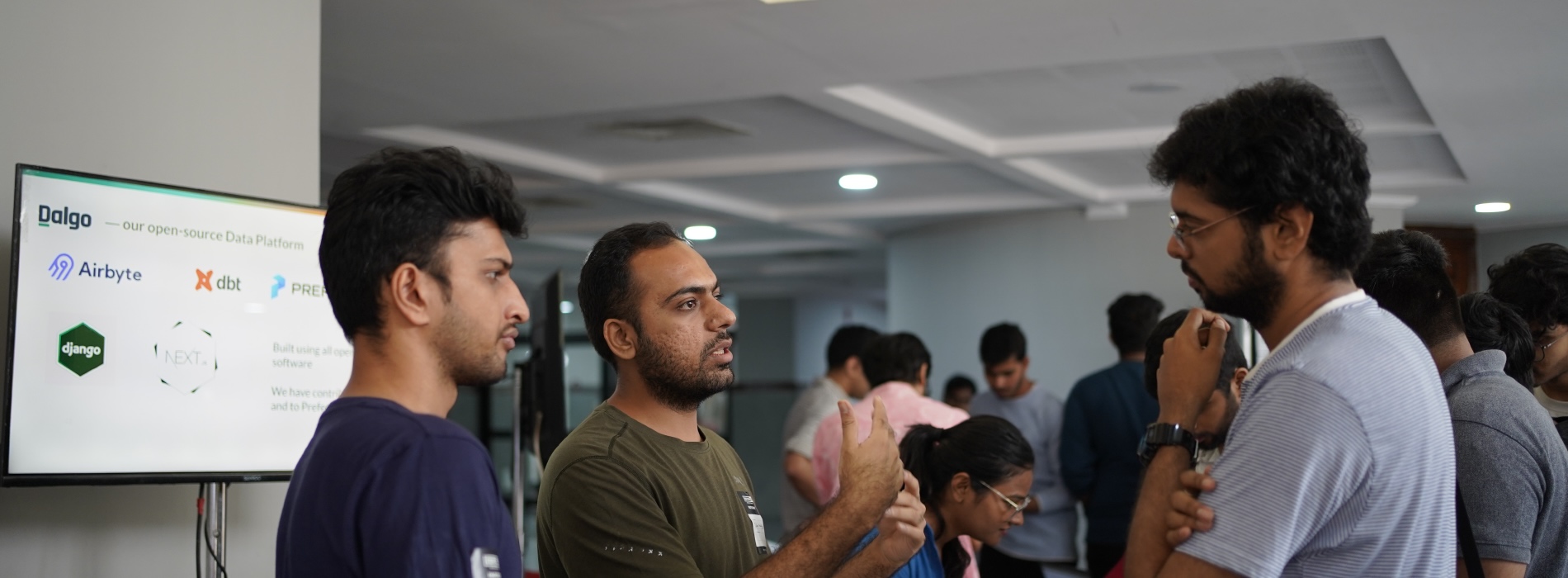
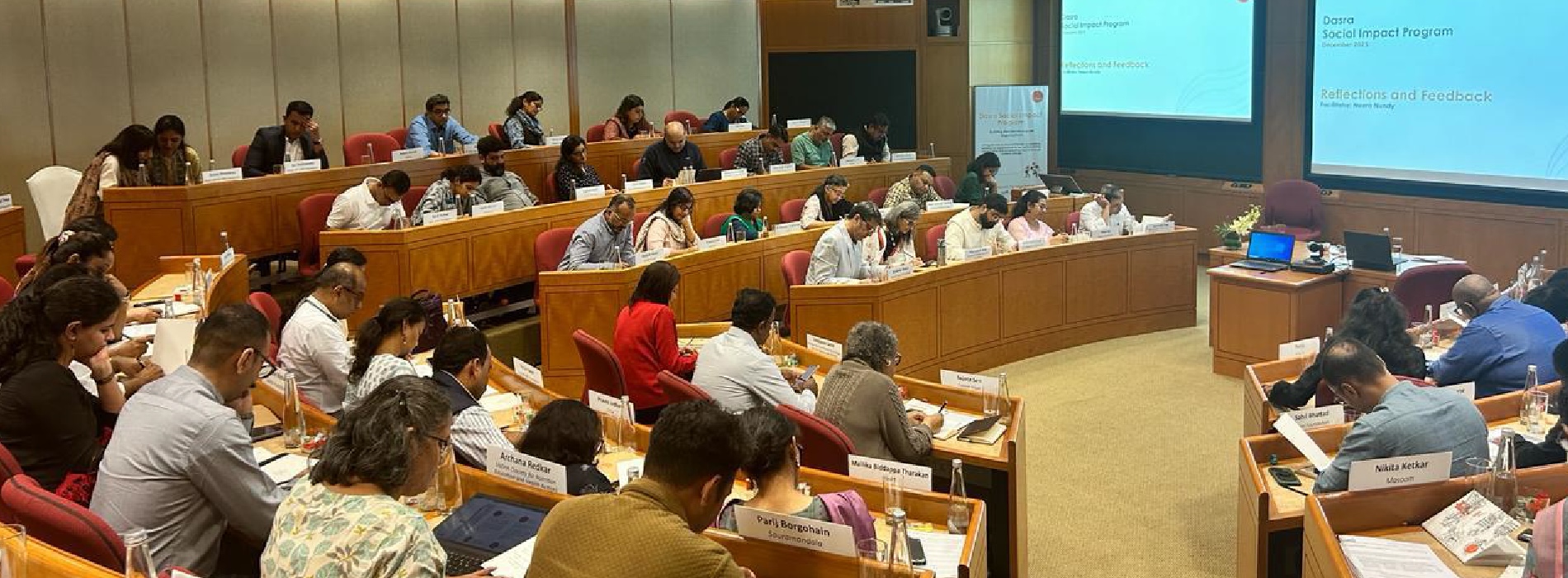
Our strategic pillars have shaped our program initiatives. These programs facilitate and fuel collaborative action across key SDG areas vital for GEDI (Gender, Equity, Diversity, Inclusion).
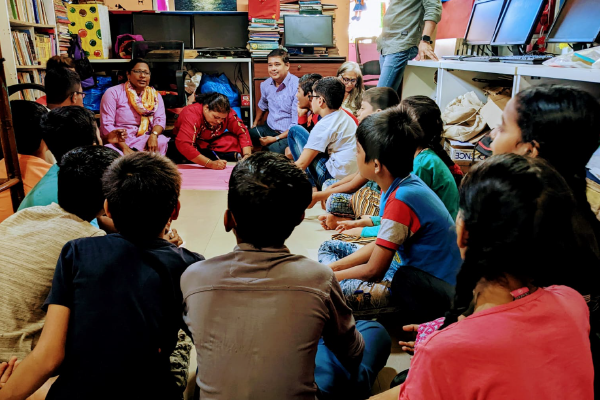
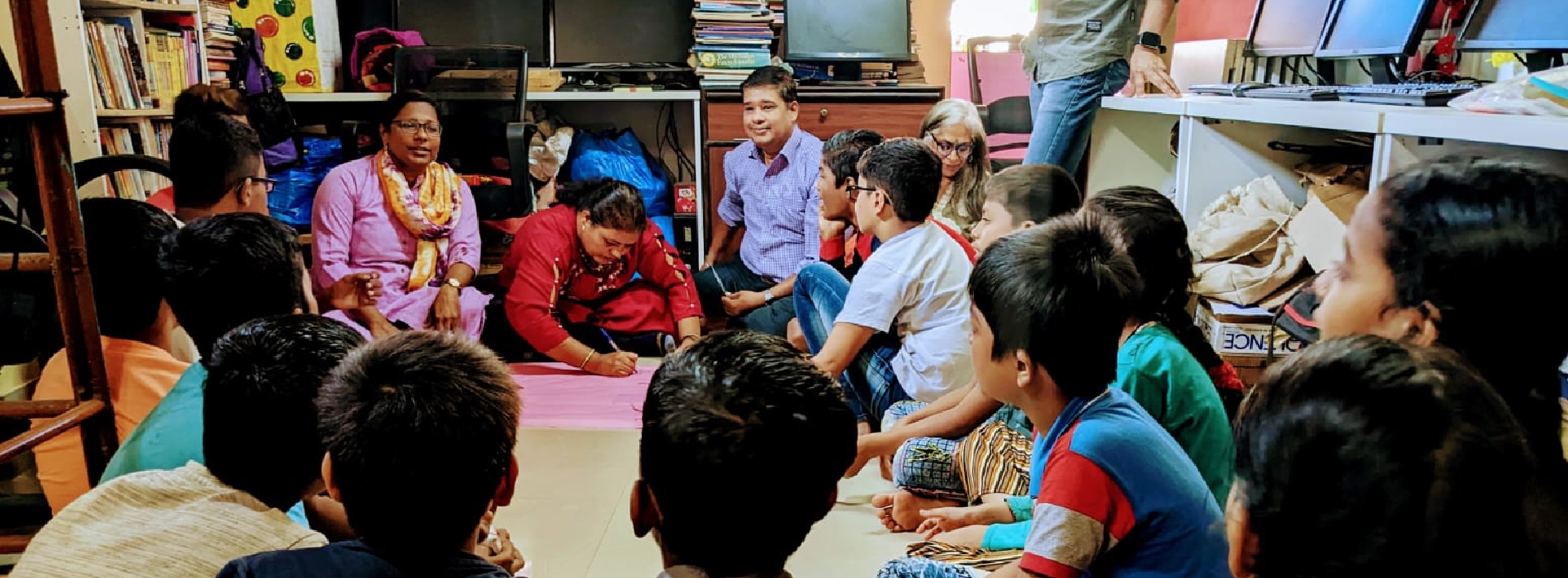
Children in poverty-stricken environments face numerous challenges including substance abuse, sexual harassment, violence, early marriage, and teenage pregnancy. Lack of access to education and healthcare often leads to family separation, with a significant portion of caregivers resorting to childcare institutions due to economic hardship. This situation not only affects the children's well-being but also impacts their long-term prospects, with many facing cognitive developmental issues and a higher likelihood of enduring extreme poverty as adults. Addressing these issues requires a concerted effort to support parents or caregivers in nurturing and guiding their children, while fostering community involvement to ensure children thrive within families.
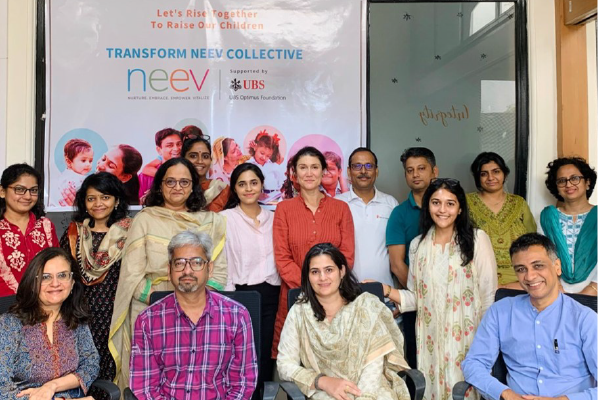
Transform NEEV Collective, the India chapter of Transform Collective by UBS Optimus Foundation, endeavours to prevent family separation and institutionalization of children. With a focus on prioritizing child and family well-being, the collective collaborates with various stakeholders to establish a foundation rooted in preventive and family-based care. Through partnerships with organizations like Dasra, Bal Raksha Bharat, Leher, Prerana, Sambodhi Research, and UNICEF, the collective engages children, families, communities, and stakeholders to address systemic issues and promote family and community-based care models.
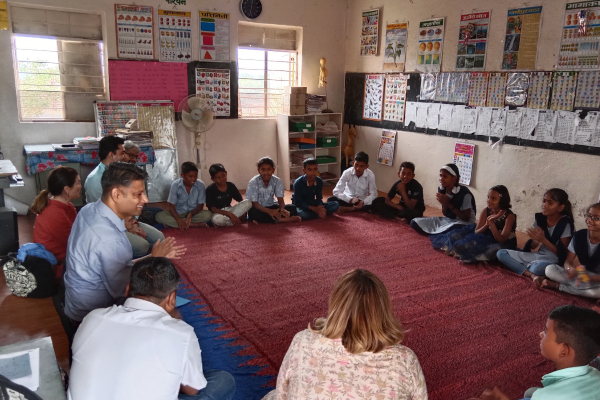
In its inaugural year, the Transform NEEV Collective laid the groundwork for a systemic approach to its mission. Key achievements include engaging over 12,300 community members in discussions on child protection, forming 191 Child Protection Committees with 1,230 active members, providing psychosocial support to 736 children and 194 families, and engaging around 400 stakeholders and professionals from child-focused sectors to advocate for family-based care alternatives.
Children in poverty-stricken environments face numerous challenges including substance abuse, sexual harassment, violence, early marriage, and teenage pregnancy. Lack of access to education and healthcare often leads to family separation, with a significant portion of caregivers resorting to childcare institutions due to economic hardship. This situation not only affects the children's well-being but also impacts their long-term prospects, with many facing cognitive developmental issues and a higher likelihood of enduring extreme poverty as adults. Addressing these issues requires a concerted effort to support parents or caregivers in nurturing and guiding their children, while fostering community involvement to ensure children thrive within families.
Transform NEEV Collective, the India chapter of Transform Collective by UBS Optimus Foundation, endeavours to prevent family separation and institutionalization of children. With a focus on prioritizing child and family well-being, the collective collaborates with various stakeholders to establish a foundation rooted in preventive and family-based care. Through partnerships with organizations like Dasra, Bal Raksha Bharat, Leher, Prerana, Sambodhi Research, and UNICEF, the collective engages children, families, communities, and stakeholders to address systemic issues and promote family and community-based care models.
In its inaugural year, the Transform NEEV Collective laid the groundwork for a systemic approach to its mission. Key achievements include engaging over 12,300 community members in discussions on child protection, forming 191 Child Protection Committees with 1,230 active members, providing psychosocial support to 736 children and 194 families, and engaging around 400 stakeholders and professionals from child-focused sectors to advocate for family-based care alternatives.










Team Explore
Resources