

Our strategic pillars have shaped our program initiatives. These programs facilitate and fuel collaborative action across key SDG areas vital for GEDI (Gender, Equity, Diversity, Inclusion).
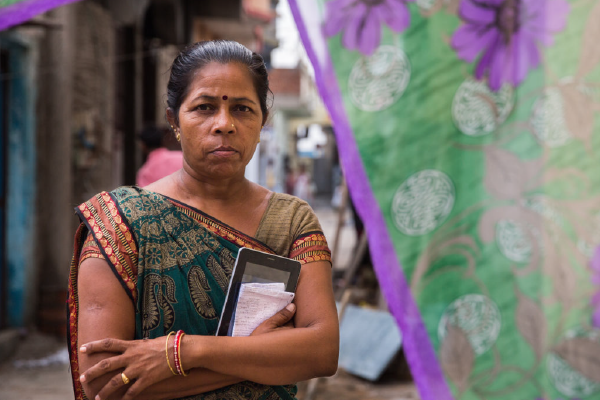
Achieving gender equity in India, with its vast female population, is imperative despite existing efforts towards women's empowerment and addressing gender-based issues. Empowering female leadership is a strategic start, as the United Nations highlights women's underrepresentation in leadership as a major obstacle to equality. Our approach posits that women's leadership is vital to gender equity, leading to broader participation in the workforce, inclusive decision-making, and improved societal outcomes. More women in influential roles across various sectors can significantly drive economic, social, and political advancements.

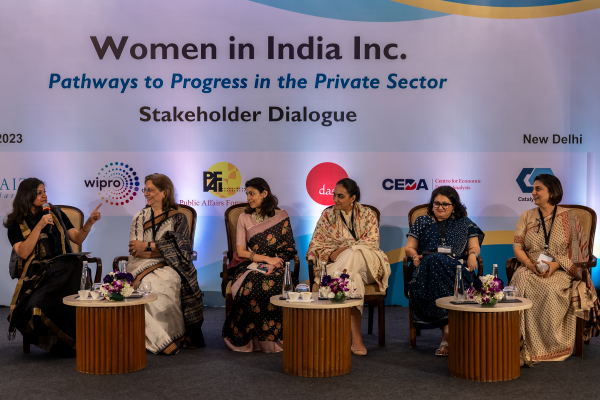
Large-scale change in gender equity requires collaborative effort beyond individual or organizational actions. Dasra's gender equity vertical aims to strengthen this sector in India by fostering a networked response. Through the WomenLead India Alliance, Dasra unites key stakeholders to promote female leadership across business, philanthropy, and development, enhancing resources and collaboration. In 2023, Dasra is focusing on elevating women's leadership in India's private healthcare and intersecting this with philanthropic initiatives for gender equity. This commitment was showcased at the Clinton Global 2023 Annual Meeting, highlighting their dedication to creating systemic change in the Indian healthcare sector and beyond.
The vertical aims to catalyze girls’ and women’s leadership to accelerate gender equity in India and ensure India is on track to achieving gender parity in the next ten years by:
Achieving gender equity in India, with its vast female population, is imperative despite existing efforts towards women's empowerment and addressing gender-based issues. Empowering female leadership is a strategic start, as the United Nations highlights women's underrepresentation in leadership as a major obstacle to equality. Our approach posits that women's leadership is vital to gender equity, leading to broader participation in the workforce, inclusive decision-making, and improved societal outcomes. More women in influential roles across various sectors can significantly drive economic, social, and political advancements.
Large-scale change in gender equity requires collaborative effort beyond individual or organizational actions. Dasra's gender equity vertical aims to strengthen this sector in India by fostering a networked response. Through the WomenLead India Alliance, Dasra unites key stakeholders to promote female leadership across business, philanthropy, and development, enhancing resources and collaboration. In 2023, Dasra is focusing on elevating women's leadership in India's private healthcare and intersecting this with philanthropic initiatives for gender equity. This commitment was showcased at the Clinton Global 2023 Annual Meeting, highlighting their dedication to creating systemic change in the Indian healthcare sector and beyond.
The vertical aims to catalyze girls’ and women’s leadership to accelerate gender equity in India and ensure India is on track to achieving gender parity in the next ten years by:











Team Explore
Resources