

Abstract
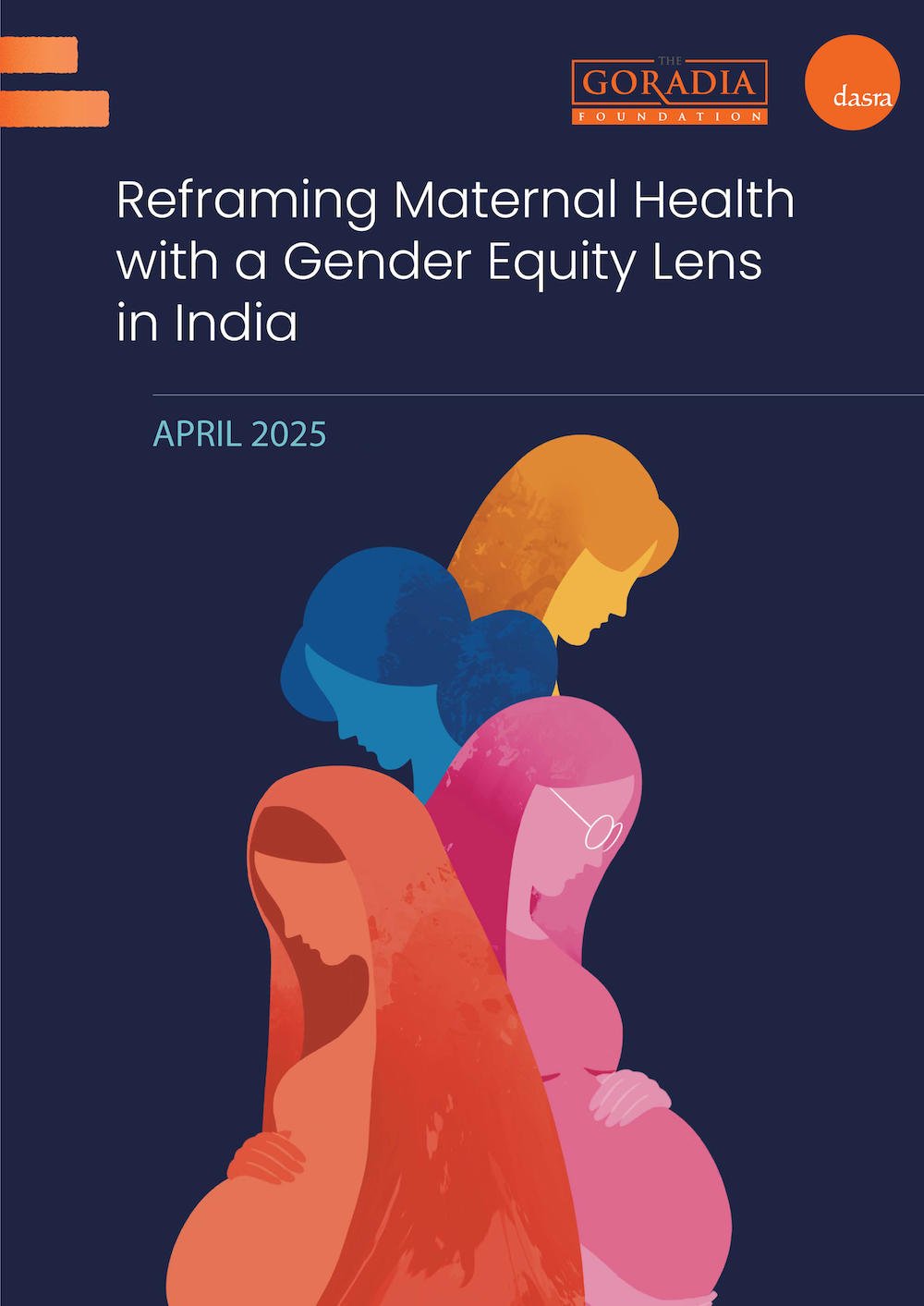
Maternal health remains a critical concern in India, requiring urgent attention to both health outcomes and systemic inequalities. Despite significant strides in reducing maternal mortality ratio (MMR) by 68% over the past two decades, India continues to face challenges in addressing broader maternal health indicators, including anemia, teenage pregnancies, and the accessibility of healthcare services for vulnerable populations.
The paper identifies socio-cultural determinants of health as a core barrier, where patriarchal norms and resource inequalities prevent women from accessing necessary healthcare. The paper calls for a reframing of maternal health through a gender-transformative lens, shifting the focus from the narrow focus on the ‘mother’ to women’s overall health. This approach requires addressing structural inequalities, intersectionality of identities, and promoting a collectivized model of care that includes families, communities, and healthcare systems. We argue that the improvement in maternal health status is not merely a question of improved resource accessibility or allocation of greater financial resources, it is also a question of women fundamentally negotiating their spaces and reclaiming their agency.
We spotlight civil society organizations that are pioneering gender-responsive and transformative interventions across India. By piloting innovative programs, gathering evidence, and advocating for policy reforms, these organizations play a pivotal role in shifting social norms, increasing women's agency, and driving systemic changes that promote lasting gender equity in maternal health. These civil society interventions are important whitespaces for philanthropic investment to transform maternal health care in India.
This white paper is divided as follows:
 Briefs & Snapshots
Child Protection and Youth Development, Health and Nutrition
 Briefs & Snapshots
Health and Nutrition, Water and Sanitation
 Research Reports
Child Protection and Youth Development, Health and Nutrition
 Research Reports
Child Protection and Youth Development, Health and Nutrition



Explore 25+ years of Dasra's research and knowledge products, covering underserved sectors, philanthropy trends, and civil society action across India.